
What makes your videos worth watching?
Tony Richards, Director at Spitfire, shares his extensive expertise on making videos. Tony draws on a fruitful career of creating high quality, authentic, and purpose-led videos to support clients in telling their story. You can contact Tony at 0274 810 576.
Everyone's making video content. Your competitors are making them. Your customers are watching them. Your social feeds are full of them. Naturally, the answer must be to make more. Right?
In reality, I'm not so sure.
We've been making videos for a long time, from the early days of pure TVC’s (television commercials) to the more recent digital versions. One thing we've learned is that the camera is rarely the starting point, it’s usually a conversation:
What are we trying to say?
Who needs to hear it?
What's the problem we're trying to solve?
Once you've had that conversation, you sometimes discover a video is exactly what you need. Conversely, sometimes you discover it isn't.
The story is closer than you think
Many businesses think they need a corporate style video. Often, what they really need is to tell a good story. That story might be a customer talking about a problem you've solved. It might be someone who's been with the business for a long period of time. It might be a new product, an interesting project, or simply the person behind the business explaining why they do what they do.
We've planned shoots where the original idea has changed completely after we started talking to the people involved. Usually that's when things get interesting. The best bits aren't always in the script. They're often in an answer or the candid delivery you didn't expect.
The key is that good interviews matter. Good questions matter. Knowing when to stop talking and let someone tell their story matters even more. As with all relationships, knowing when to shut-up and listen is a skill.
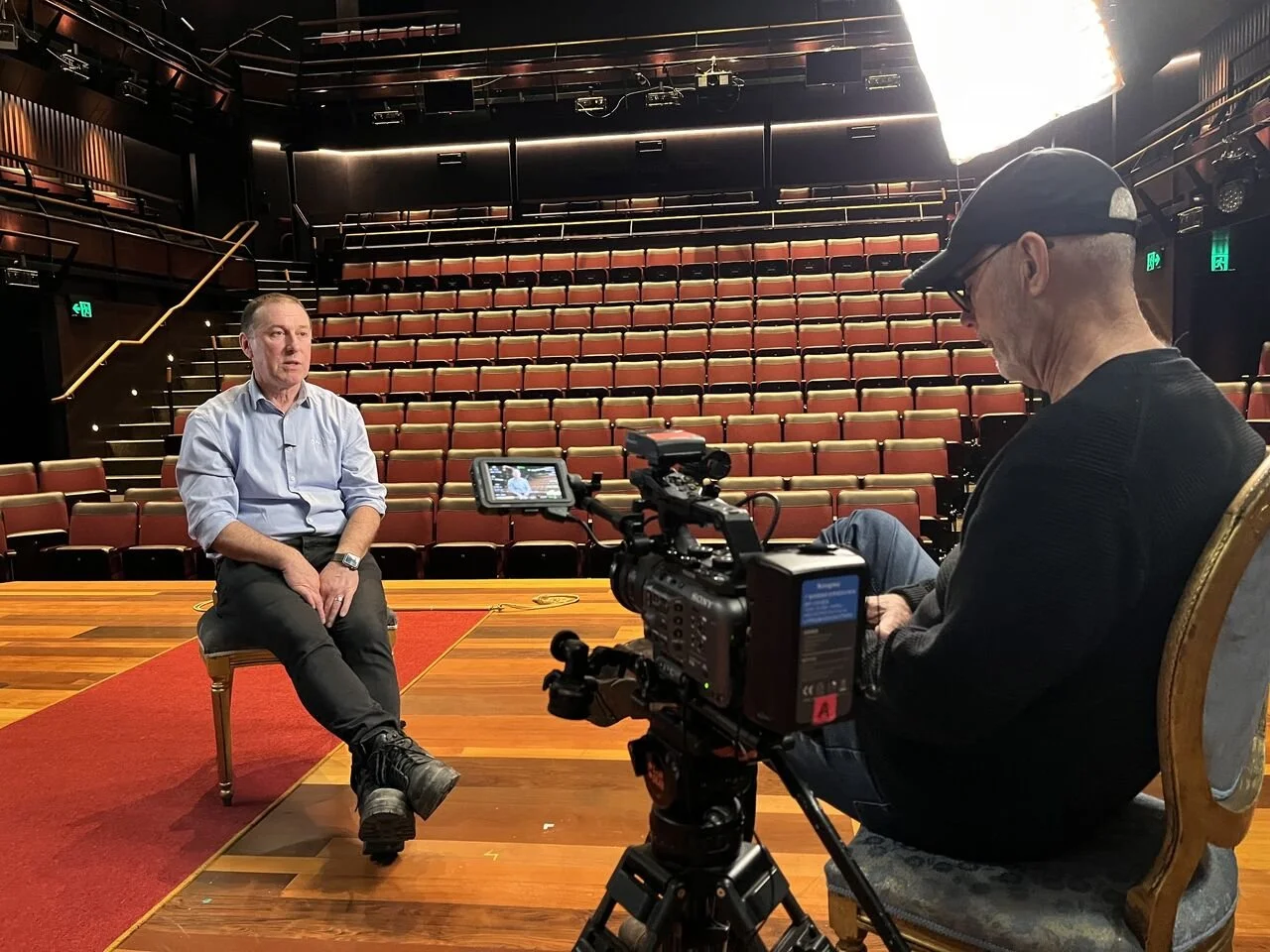
Good interview skills get the best result
One shoot, many uses
There's also a tendency to think about video as one piece of content: make the video, upload or post it somewhere, job done.
But if you've gone to the trouble of getting the right people in the right place with the right story, make the most of it!
Customer interviews can become a case study, a couple of short social clips, some still photography, a few useful quotes, and content for the sales team. A longer conversation might yield six or seven pieces of content rather than one. This is why understanding the rationale for producing content is important to factor into early discussions.
We’re not churning out content for the sake of it. It's about maximising value from the work you've already done. Research indicates more than half of companies are repurposing video into social clips. LinkedIn is now the most-used social channel for video among the businesses surveyed.
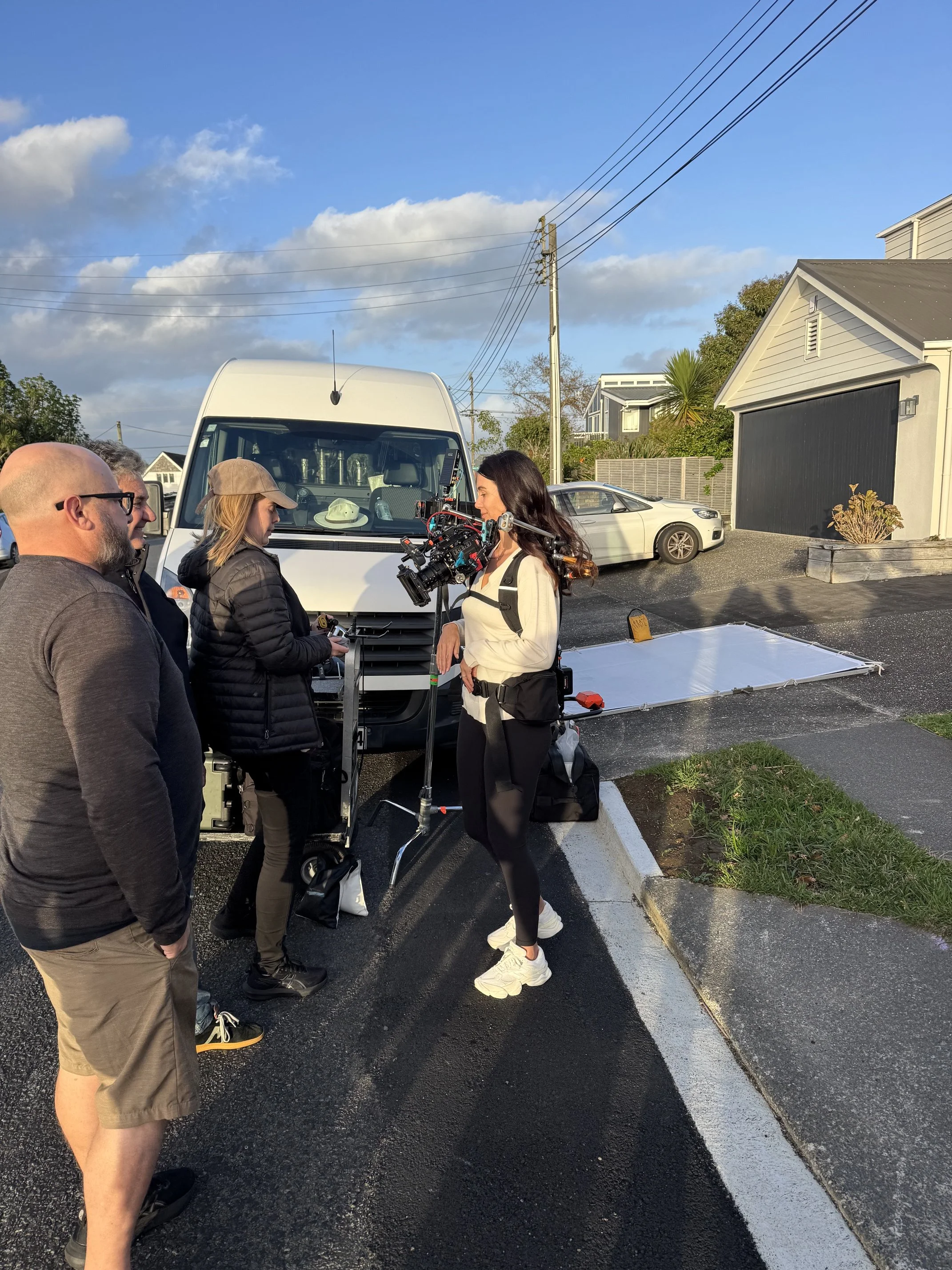
When filming, consider additional uses for your footage to maximise on your efforts.
It doesn't have to look like an advert
People are good at spotting an advert. They are good at spotting the current proliferation of AI slop. They're also good at scrolling past one.
Authenticity remains important but so does production quality. Bad sound is still bad sound. Nobody enjoys watching a shaky, poorly lit interview. Formats might be smaller, or shorter, but the consumer can still discern between good and poor quality. Accepting poor quality can have a detrimental effect on your brand.
There's also a difference between making something look good and making something real. Sometimes the most effective video is simply a person telling a good story. No tricks or overproduction, just something engaging and worth watching.
So, should you make a video?
Maybe. When approached we usually start by understanding the perceived need for one. Think about what you need to communicate, who you're trying to reach, and what you want them to understand. Your answers will inform the best mode of storytelling.
Essentially, it should fit with your wider brand or comms strategy.
At Spitfire, video is a big part of what we do. We love the creative side of it, the locations, the people, the energy of the shoot, the unexpected moments, the real ‘behind-the-scenes’ look at what makes a product or service tick, and that feeling when all the planning comes together.
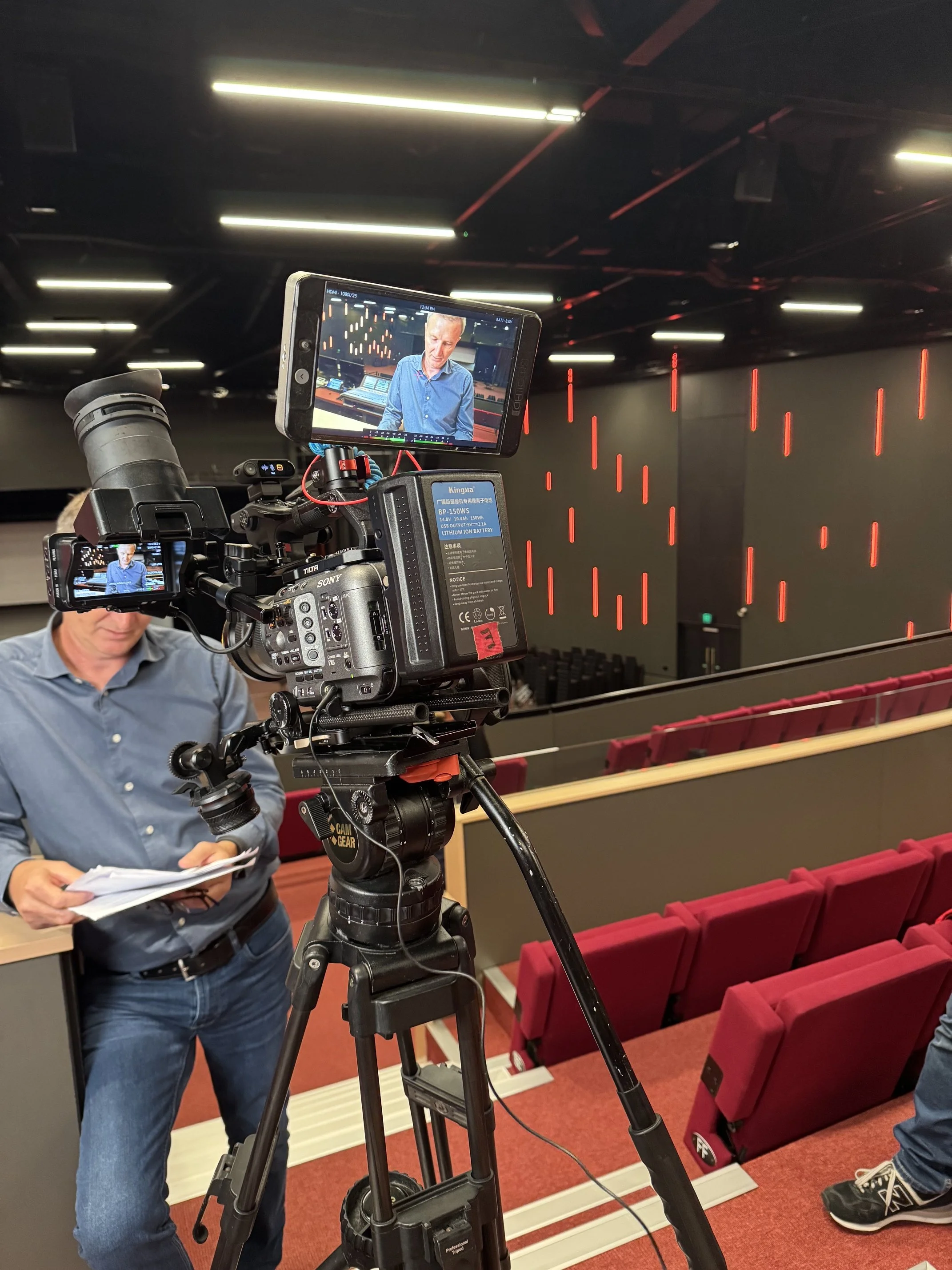
Start telling a story, and watch the planning come together.
It boils down to delivering real, behind-the-scenes storytelling. This is why audiences respond to it now, more than ever. People don't just want to buy from brands anymore. They want to follow them, understand them, and feel connected to the people behind them.
Video does sit within a much bigger picture. As mentioned above, it's part of your brand and your planned content. It sits within a wider communications strategy.
Make videos with purpose
Ensure you've got something worth saying, then say it well. As Seth Godin so brilliantly describes it, although more in the context of marketing:
1. Tell a true story
2. To the right people
3. That helps them become who they want to be
4. Make it so good they tell their friends
5. And show up for years
If you can achieve that, job done!
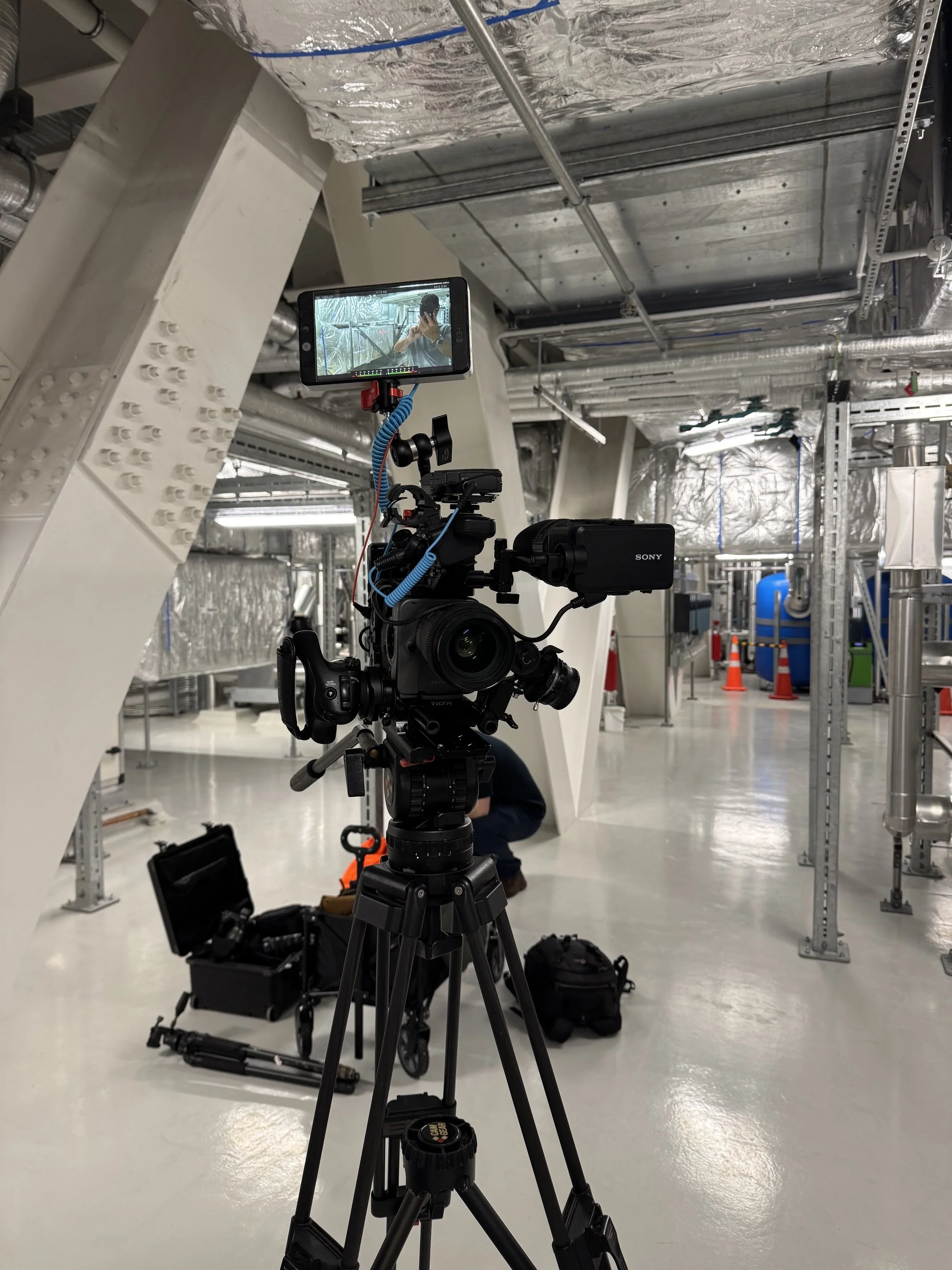
Get started when you have a good story to share.
