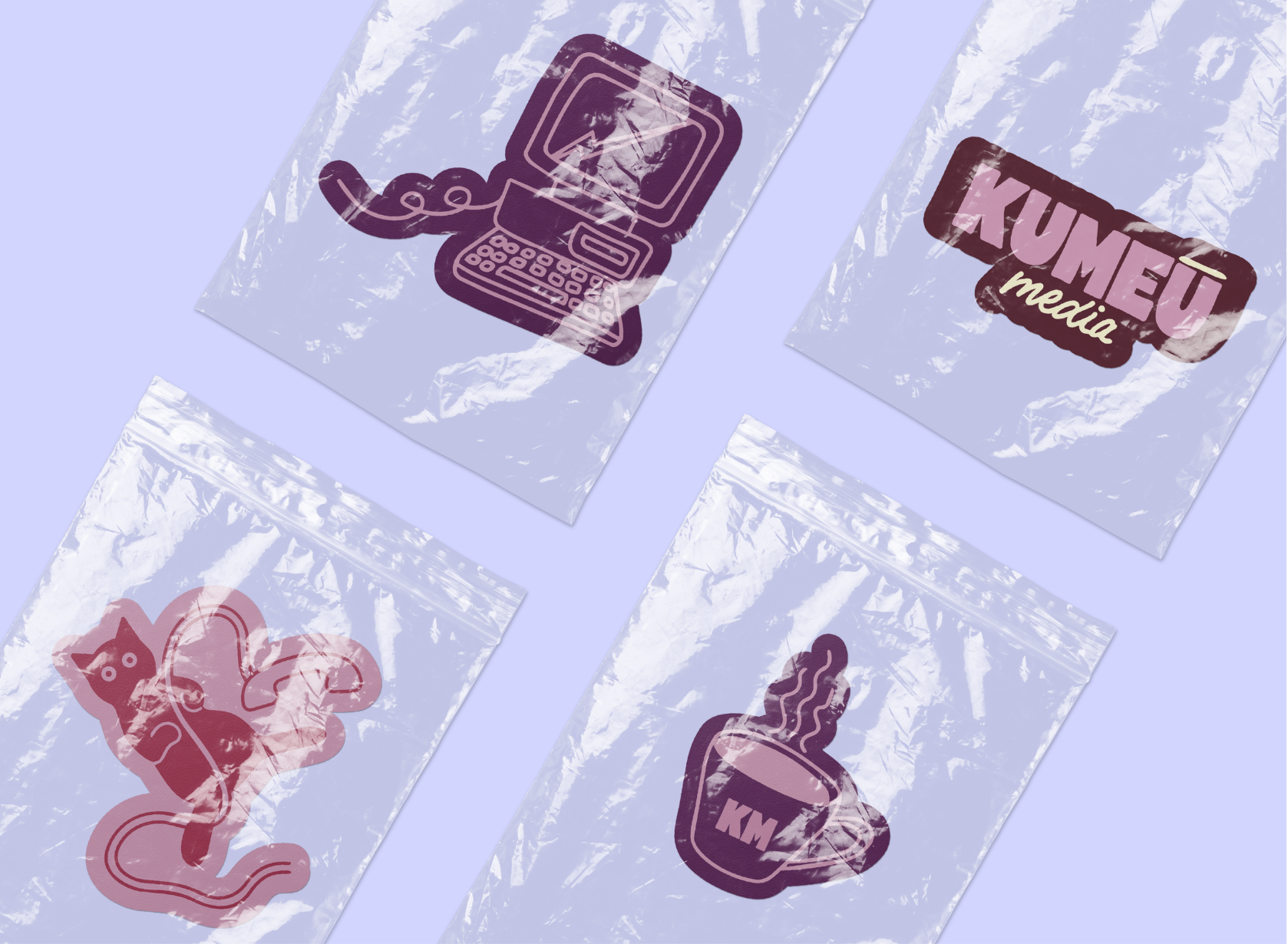
Corey interviews Elise Syme (Mauka Creative) about her work as a graphic designer. This coincides with her design work for Kumeū Media’s recent rebrand.
Kia ora, Elise! how Did you Get started as a graphic designer?
I started Mauka Creative in 2020 after I was made redundant from my job in education due to the pandemic. I did a lot of reflection about the kind of lifestyle I wanted to live. Three things stood out as important to me: owning my time, having location freedom, and spending my days being creative.
Graphic design ticked all three boxes, so I decided to dive in and give it a go. Nearly six years later, here I am!
What do you enjoy about the work?
I genuinely enjoy the whole creative process. But if I had to narrow it down to one thing, it would be creative problem solving.
I love learning about a business, understanding what makes it unique, and then using brand design to tell its story in a way that people connect with. For me, it’s so much more than making something look good. There’s a real puzzle-solving element to figuring out how to visually communicate who a business is.
What is creativity, and how important is it to you?
Creativity is a huge part of who I am. It’s not something I switch on when I sit down at my desk. I’m constantly noticing things, collecting ideas, and finding inspiration in unexpected places.
Creativity is being curious and looking at things differently. It gives us a way to communicate ideas, solve problems, and make sense of the world around us. It’s also one of the main reasons I chose to build a business around design in the first place. I genuinely can’t imagine doing anything that doesn’t involve creating.
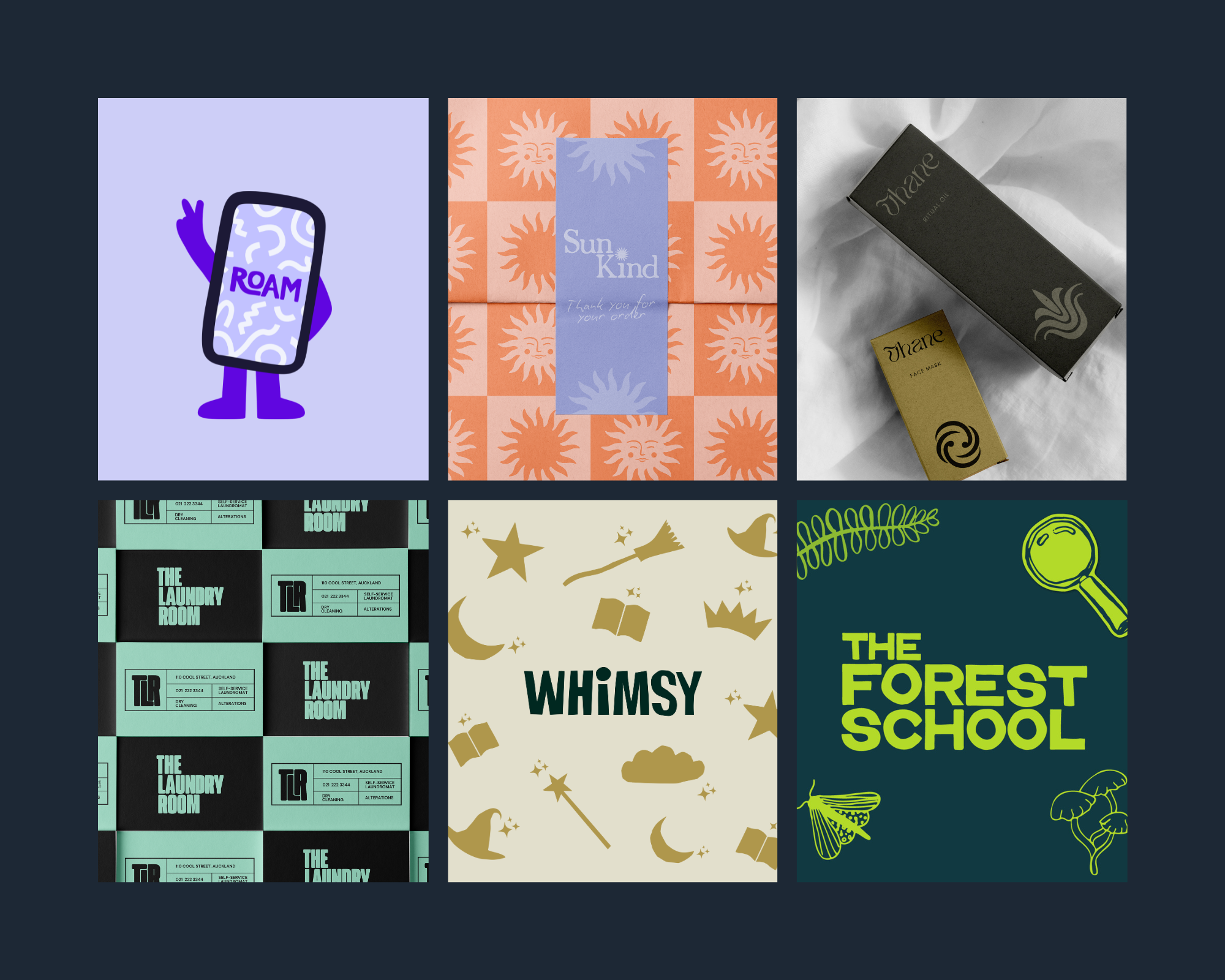
A sample of Elise’s work
Your style often includes hand-drawn elements. How has that come about as a visual language for you?
I’ve always been a pen-and-paper person. Over the last few years, with AI becoming so widely used, it has felt even more important to create things by hand and bring that uniquely human touch into my design work.
Hand-drawing brand elements feels like a really natural way to do that. There’s something about the little imperfections and personality in a hand-drawn mark that you just don’t get from something that’s been perfectly generated.
People are really connecting with it. I think we’re all craving more things that feel human, personal, and a little bit imperfect.
What sorts of projects do you enjoy?
I really enjoy working on projects where the founder has a strong set of values and a story behind the business.
That’s a huge source of inspiration for me and usually results in really special brand identities. It feels like a real privilege to be let inside someone’s story and then bring out the personality and soul of their business through the visual identity.
Do you have a standard approach for every client or does it differ?
I do have a set approach that I’m constantly reviewing and improving to work best for me and my clients. The research stage is probably the most important part of my process. It’s where you get to understand the founder and find the gold in their values, mission, and story. That’s usually where the ideas for the visual identity start to emerge.
The overall process stays fairly consistent. But I’m also open to adapting it to suit the person I’m working with. Some clients are email people and would rather communicate that way. Others love jumping on a call and talking everything through. I want the process to feel structured and intentional, but not rigid.
You recently did an amazing rebrand for Kumeū Media. How did you approach our brand design?
The brand was built around Kumeū Media’s connection to Northwest Auckland and their target audience.
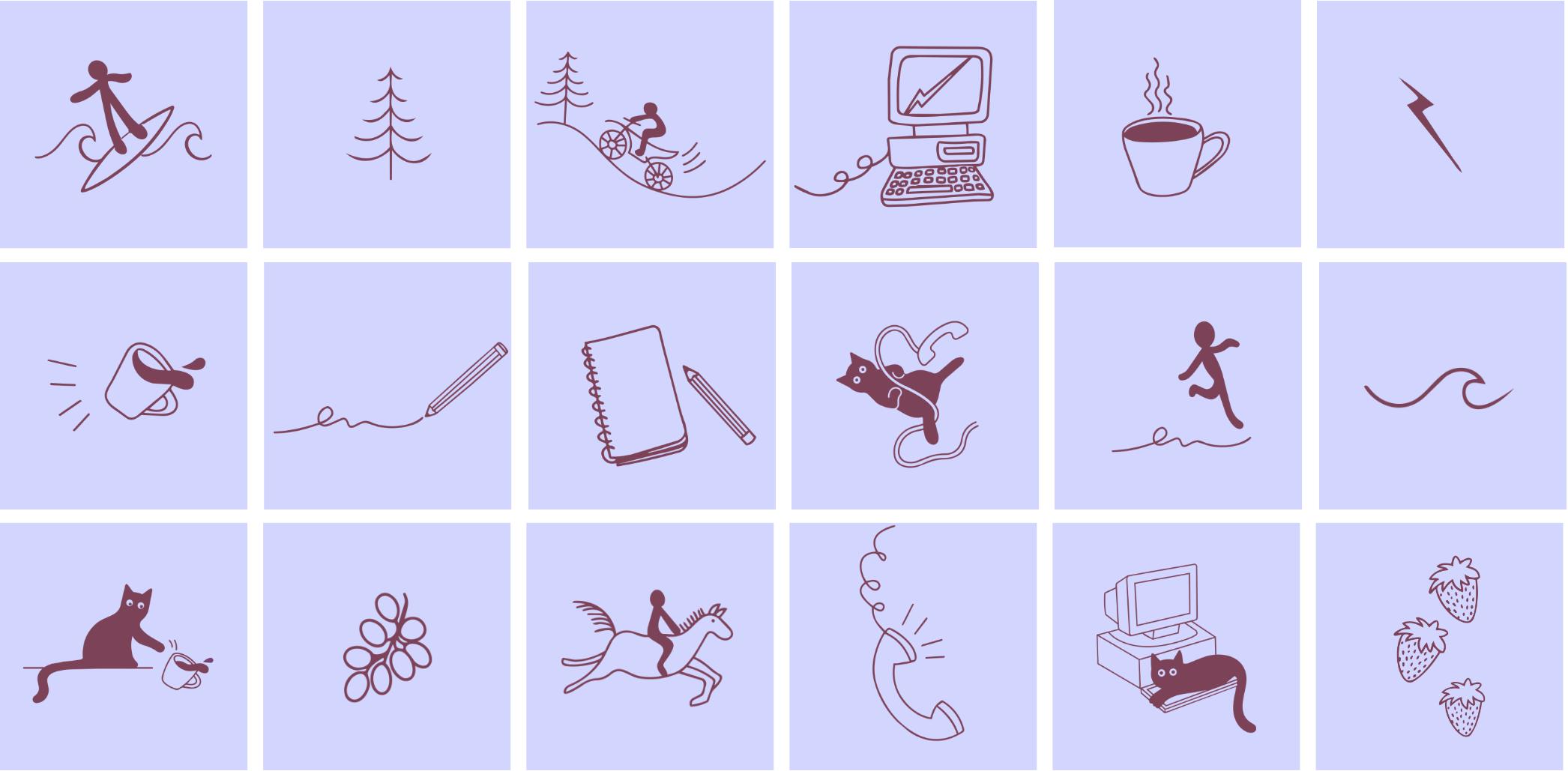
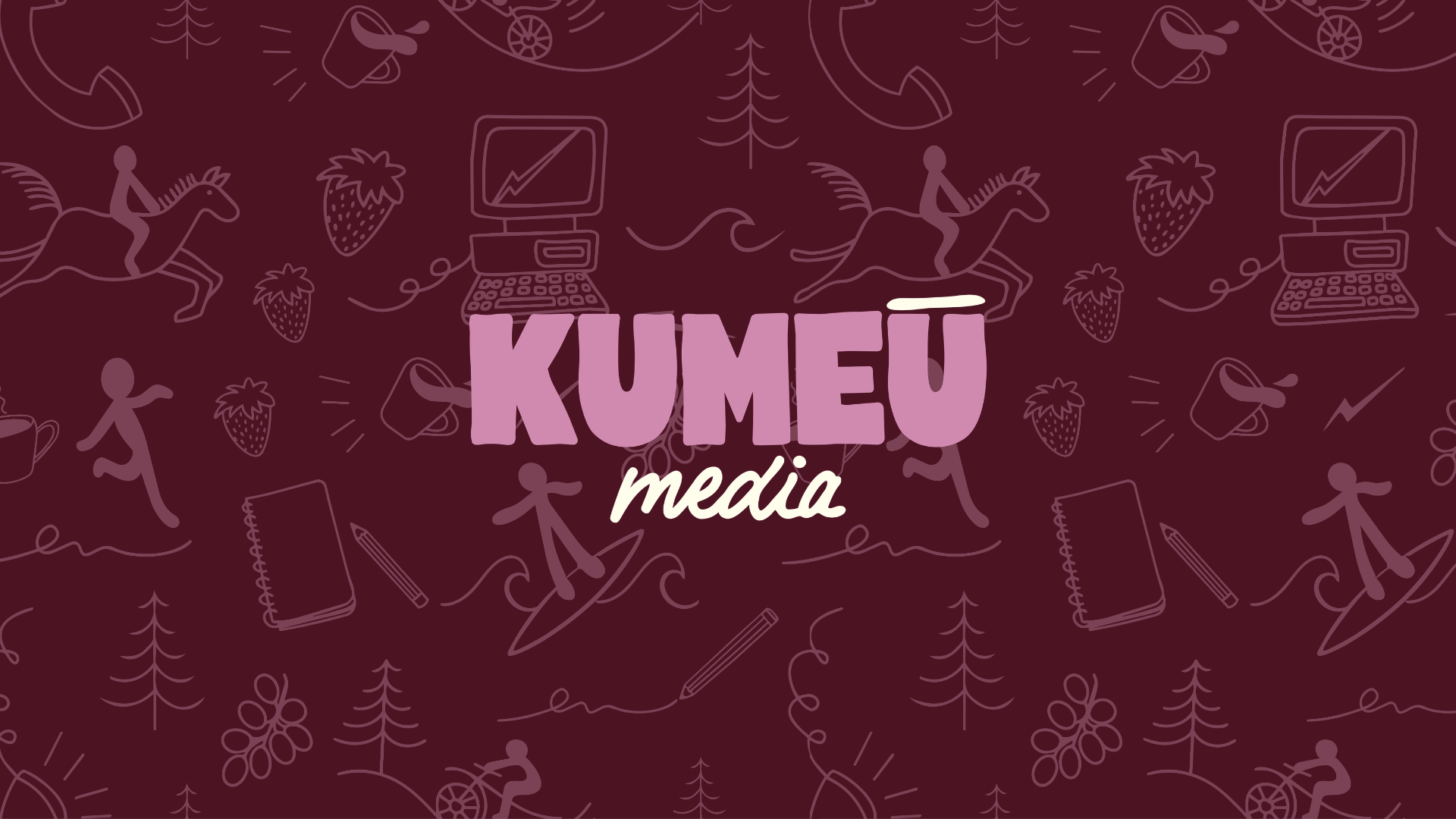
The brand tells a story through a series of illustrations that feel specific to Kumeū and its lifestyle. Illustrations represent things their audience might be doing on the weekend: surfing, dirt biking and horse riding, alongside the business side of their lives with computers, coffee cups, pens and paper.
The overall style is hand-drawn and quirky, which helps position Corey and Sarah as having a human and creative approach to their work. Rather than going down a typical corporate marketing agency route, we wanted to create something with more personality and a sense of place. The hand-drawn style felt like the perfect fit because it brought warmth, creativity and a human element into the brand.
That was particularly important because of the way AI is changing the creative and marketing landscape. We wanted the branding to communicate that Kumeū Media is a human-run business. When you work with Corey and Sarah, you’re working with actual people who understand your business and are doing the work with you, rather than handing everything over to a robot.
How can People follow your work or get a sense of how you work?
I’m very active over on Instagram, so that’s probably the best place to get to know me, see what I’m working on and get a feel for how I approach design.
I also have all the specific information about my packages and how I work over on my website. If you’re interested, fill in the contact form. From there, I can learn a little bit about your business, what you’re looking for and whether we might be a good fit to work together.
How important is social media?
Social media is really important to my business. It’s been a great way to raise awareness about my work and get my services in front of potential clients. But building a personal brand and an audience has also opened up a lot of unexpected opportunities.
I’ve connected with and worked with people from all over the globe and was recently asked to speak on a panel. That probably wouldn’t have happened without my visibility on social media.
I also really love social media for nurturing relationships. I might meet someone at an event or networking opportunity, follow their business and interact with their content for years. Over time, that builds trust and rapport. Eventually, I might end up working with that person, or I might be the first person they think of when someone they know needs a designer.
I think that’s one of the biggest benefits of social media for a service-based business. It keeps you visible and reminds people that you exist, so when they eventually need what you offer, you’re already top of mind.