
How Smart NZ Brands Use Merchandise
We’re talking about the power of merch and how smart brands use it to their advantage. We’re joined by Hayden Ricketts, who has more than 18 years’ marketing experience. Over the last few years, he’s spent his time building ONBRAND, as its director. ONBRAND is a New Zealand agency focused on brand merch and uniforms.
Wasted merch
Over the last 18 years I’ve seen businesses spend real money on merch that does very little for their brand.
Someone produces a pen no one asked for, or designs a tote bag that never makes it past its first trip. The pen gets thrown into a drawer, and the tote is used once then forgotten.
The issue usually isn’t the product, it’s how it’s approached. For this reason, a lot of branded merch gets wasted.
merch is powerful marketing
Merch is one of the few marketing channels that lives in the real world. It’s physical, personal, and persistent. It shows up in someone’s day long after a campaign ends, building recognition in places advertising can’t reach. Merch has longevity.
So how can we approach merch in a smart way?
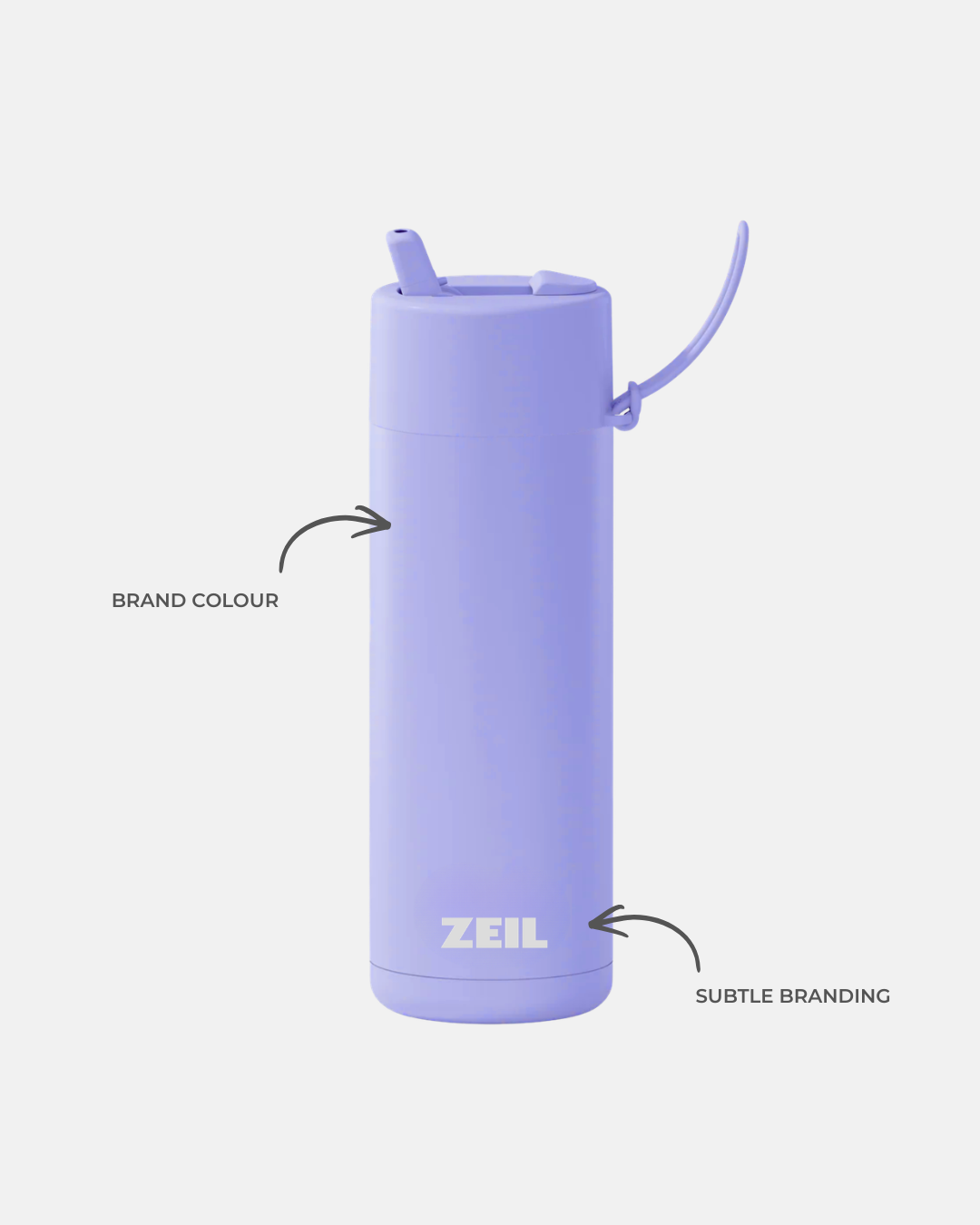
Create thoughtful, quality, and on-brand merch. The Frank Green water bottle above is a good example.
1. Start with a brief, not a catalogue
Begin by asking questions like:
Who is this for?
What do you want them to feel?
When will they use it?
Many teams skip this step and go straight to the product. That’s where things drift, and people end up creating something not fit-for-purpose.
The brief shapes everything. Get that right first!
2. Treat merch like any other brand channel
Apply the same standards to merch that you would to a marketing campaign. If it wouldn’t pass in a campaign, it shouldn’t pass on a product.
Make sure you’re on-brand: colour, placement, spacing, finish - it all matters.
Off-brand merch doesn’t just under-perform. It weakens how your brand is perceived.
3. Make merch to suit the person
Make sure your merchandise is relevant. This creates positive psychology towards your brand and increases the chance of a person keeping and using the item.
Design a drink bottle for someone always on the move. Design a notebook for someone in back-to-back meetings.
If the merch fits their routine or lifestyle, it stays. If it stays, your brand stays with that person and does your advertising for you.
4. Think in lifespan, not unit cost
Cheap merch looks efficient on paper. But a $5.00 item used twice delivers very little value. Comparatively, a $25 item used daily for a year delivers a completely different outcome.
The real metric is how long it stays in someone’s life, and how often it gets seen.
Even if budgets are tight, the principle doesn’t change. One well-chosen item will outperform a range of forgettable ones. The goal is use, not volume.
5. Get the execution right
Your logo doesn’t behave the same across materials and mediums. Embroidery, screen printing, engraving - each has its limits. What works on screen doesn’t always translate physically.
Poor application can undo a strong product quickly. Make sure the design and the output material are compatible. You may need to make a sample. This improves your chances of a quality and visually impactful product.
6. Tie it to moments that matter
The best merch isn’t random. It shows up at the right time: a new client, a team milestone, a campaign launch, or a simple ‘thank you’.
Relevance to the moment gives it meaning. The product carries the memory.
This matters internally too. When staff receive something they actually want to use or wear, it changes how they see the brand and company they work for. It reinforces pride in how the business shows up, and that carries into how they represent it externally.
7. Invest in presentation
First interactions with your merch matter. Design simple and practical packaging. Include a card. Add some care and ceremony to the handover. Thoughtful presentation signals intent and effort before the product is even used.
8. Plan ahead
Producing merch last-minute limits options and creates stress. You’ll have fewer products to choose from and less control over the outcome. You’ll be forced to make more compromises.
The best results come from teams who plan merch alongside campaigns and milestones, not after them.
9. Pay attention to what sticks
Try to get feedback on your merch or observe how people use it. Take notice of what people keep, what stays on desks, and what gets mentioned again. Those signals tell you what’s working and can inform future products.
10. Make someone accountable for the outcome
When no one owns the outcome, quality slips. It’s more likely that incorrect or inconsistent branding will be used, shortcuts will get taken, and products won’t properly reflect your brand. This will weaken your brand and can impact the perception of your organisation or company.
When someone is accountable for how the merch lands, you’re more likely to get things right.
Design cool stuff
Merch won’t replace your digital channels, but as we’ve learned, it does something they can’t.
Your merch lives in the real world. It gets used and it gets seen. Create something people keep not something they forget!
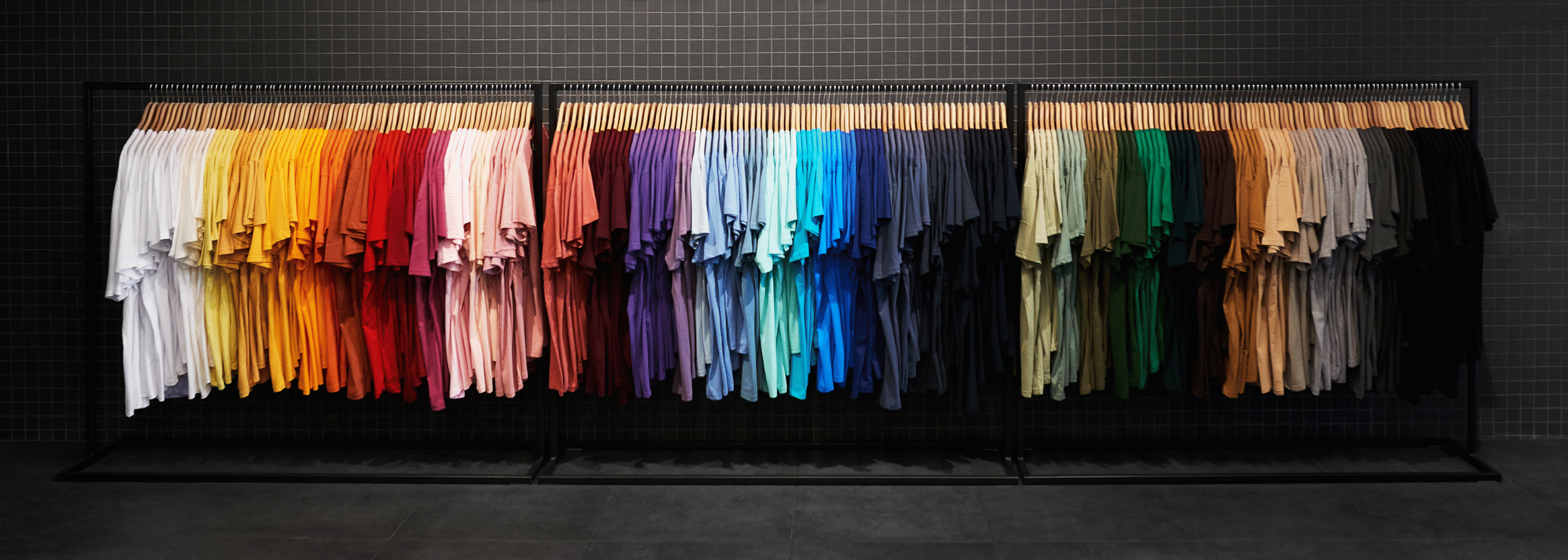
If you need merch, reach out to a specialist like ONBRAND, who use quality suppliers, with a wide range of options to suit most brand needs. Examples include the AS Colour tees range above and the Frank Green products earlier in the article.
